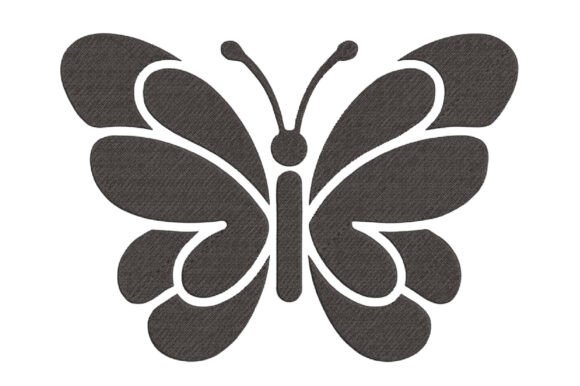
Simple Butterfly Embroidery Design
A Designer’s First Look: Clean, Calm, and Quietly Meaningful
As an embroidery designer who’s stitched thousands of personalized gifts—from newborn onesies to heirloom wedding handkerchiefs—I opened the Simple Butterfly Embroidery Design with quiet curiosity. No frills. No clutter. Just a single butterfly, drawn with confident, smooth curves and balanced negative space. It feels modern without being cold, minimal without feeling sterile. There’s a gentle sweetness here—not cutesy or cartoonish—but soft, grounded, and quietly elegant. It leans into timeless rather than trendy, which is exactly what makes it shine for meaningful gifting.
Why This Butterfly Fits So Many Personalized Moments
This isn’t just another bug-themed embroidery file—it’s a versatile emotional anchor. For baby embroidery, it whispers “new beginnings” on organic cotton blankets or muslin swaddles. On a linen pillow cover, it becomes a serene nursery accent—calming, not distracting. As a wedding gift, stitched in ivory thread on a silk handkerchief or cotton napkin, it carries symbolism without shouting: transformation, lightness, grace. I’ve already sketched mockups for custom tote bags (great for bridal showers), embroidered kitchen towels (a favorite for Etsy sellers), and even delicate aprons for bakeries or florists—each time, the design holds its own without overwhelming the item.
It works beautifully for small shop products where handmade quality matters: think craft fair booths, boutique gift shops, or curated online collections. Because it’s uncluttered, it photographs exceptionally well—even on plain backgrounds—and helps buyers instantly connect with the sentiment behind the piece. That emotional resonance boosts perceived value: customers don’t just see stitching—they see care, intention, and a story.
Where to Use It Thoughtfully (and Where to Pause)
The Simple Butterfly Embroidery Design shines brightest on stable, medium-weight fabrics: quilting cotton, linen blends, lightweight denim, and smooth terry cloth. It’s ideal for embroidered towel monograms, pillow covers, blanket embroidery, and custom aprons. But like any thoughtful designer, I tested boundaries—and found gentle limits.
- Small lettering or fine details? Not included here—so avoid pairing it with tiny text unless you’re layering separate files. Keep personalization clean: a name or date in a simple sans-serif font works best.
- Textured or thick fabrics? On heavy terry or looped towels, stitch density matters. Run a test on scrap first—you may need to adjust tension or add tear-away stabilizer underneath.
- Stretchy baby clothes? Proceed with caution. The bold shape holds up, but curved seams and knit fabric demand extra stabilization and possibly reduced stitch density. Always pre-test on the exact garment you’ll embroider.
- Curved surfaces (like mugs or curved tote straps)? Stick to flat panels—this design wasn’t digitized for contouring.
- Dark fabric? Confirm thread color contrast before finalizing. A pale gold or soft sage reads beautifully on navy or charcoal—but white-on-black can fade visually if stitch density is too low.
- Frequent washing? Use high-quality embroidery thread and secure backstitching. Recommend advising customers on gentle cycles—especially for baby items and kitchen linens.
What Makes It a Trusted Choice for Sellers
For Etsy sellers and small business owners, trust starts with consistency—and this machine embroidery design delivers. Its balanced proportions mean it scales cleanly from 3" to 5" without distortion. It doesn’t rely on micro-details that vanish after laundering or get lost in fabric texture. That reliability builds customer confidence: when a buyer orders a personalized gift and receives something that looks exactly like the listing photo, they’re more likely to return, review, and refer.
I also appreciate how it supports strong product photography. The clean lines pop against neutral backdrops. On social media, it reads clearly even in thumbnail size—critical for scroll-stopping Etsy listings or Instagram ads. And because it’s rooted in the Bugs category yet feels elevated beyond novelty, it avoids pigeonholing your brand. You’re not selling “bug stuff”—you’re offering mindful, modern handmade products with soul.
Practical Notes Every Embroiderer Should Check
Before stitching your first customer order, treat the Simple Butterfly Embroidery Design like any professional digital embroidery file—test, verify, refine:
- Run a test on scrap fabric matching your final product’s weight and weave.
- Compare thread colors across light and dark fabric mockups—some hues shift dramatically.
- Confirm hoop size compatibility with your machine and intended placement (e.g., corner of a towel vs. center of a pillow cover).
- Review stitch density—if it feels sparse on your test, consider adding a light underlay or adjusting fill settings.
- Use appropriate stabilizer: cut-away for knits, tear-away for stable wovens, and fusible + tear-away for towels.
- Check all small curves and wingtips after stitching—do they hold their shape? Are there skipped stitches or thread nests?
- Verify commercial licensing terms before selling finished products—this is essential for Etsy sellers and wholesale partners.
Final Thoughts: More Than a Design—A Quiet Invitation
The Simple Butterfly Embroidery Design doesn’t shout. It invites. It fits naturally into life’s tender milestones—first birthdays, vow renewals, quiet moments in a sunlit nursery, or the pride of a small shop owner packaging a custom order with care. It’s proof that minimalism in embroidery isn’t about less—it’s about making room for meaning.
Whether you're a baby product creator stitching heirlooms, a wedding gift designer curating keepsakes, or a digital embroidery file seller building a trusted catalog—this design earns its place. Not because it’s flashy, but because it’s dependable, emotive, and effortlessly giftable. In a crowded handmade market, that kind of quiet strength is rare—and deeply valuable.