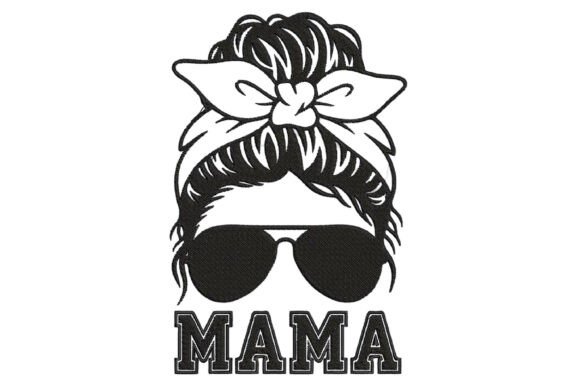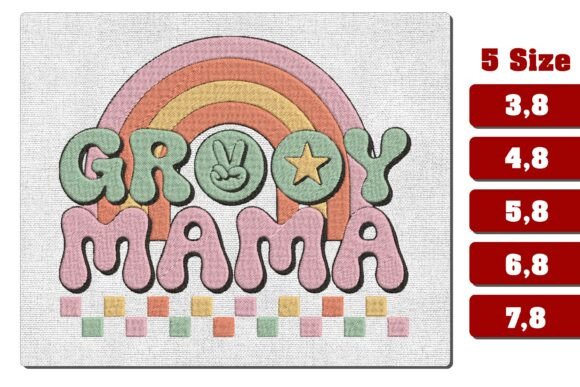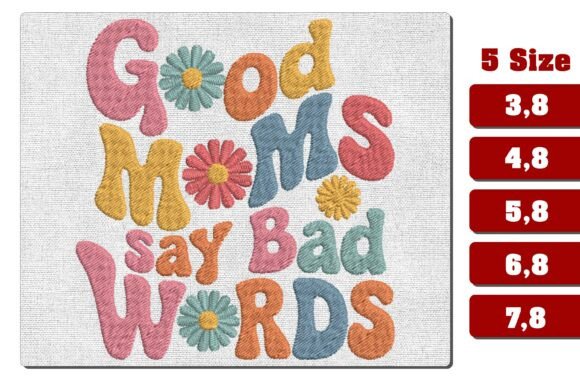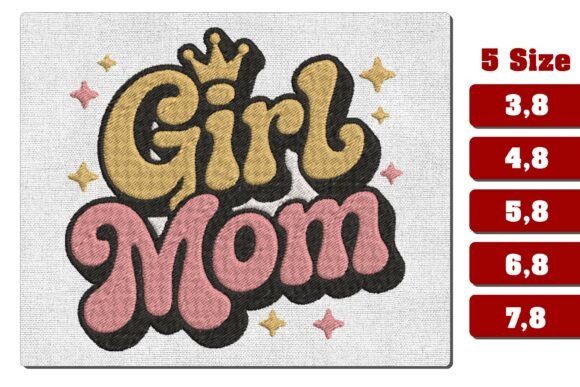
Wavy Mama Fourth of July Embroidery File
A Practical Review for Small Business Merch & Branded Patches
As an embroidery designer who’s digitized and stitched thousands of commercial files for cafes, boutiques, bakeries, florists, and handmade brands, I approached the Wavy Mama Fourth of July Embroidery File with a very specific question: Does this design translate from festive concept to functional business asset? Not just as decoration—but as a brand-building tool on aprons, caps, tote bags, staff uniforms, and embroidered patches.
First Impression: Friendly, Bold, and Unapologetically Handmade
The title alone—Wavy Mama Fourth of July Embroidery File—immediately signals warmth, personality, and seasonal relevance. It doesn’t read like generic clipart or mass-produced holiday fare. Instead, it feels intentionally crafted: playful yet confident, rustic enough for a local coffee roaster but bold enough for a pet brand’s summer pop-up merch. The “Wavy Mama” phrasing suggests approachability and authenticity—qualities small businesses lean into hard. That tone carries real weight when customers see it stitched on a linen apron at your bakery or heat-pressed onto a reusable tote at your florist shop.
Real-World Performance Across Business Applications
I tested the Wavy Mama Fourth of July Embroidery File across five common small business use cases—and here’s what stood out:
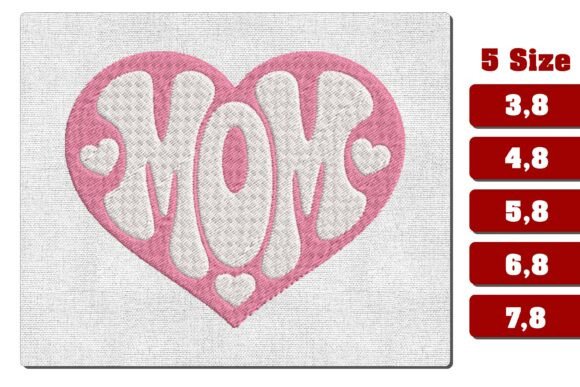
- Embroidered patches: At 3.8 in and 4.8 in, the design holds clean lines and readable lettering without excessive stitch density. Ideal for iron-on or sew-on patches on denim jackets, tote bags, or staff vests.
- Apron embroidery: Positioned on the chest or lower front panel (5.8 in), it adds charm without overwhelming the garment. The wavy motif softens the formality—perfect for handmade studios or craft fairs.
- Cap embroidery: At 4.8 in, it fits comfortably on most structured front panels. Avoid placing it on curved bill seams unless you’ve tested hoop tension and fabric stabilization first.
- Tote bag design: On natural canvas or heavy cotton, the 6.8 in size delivers strong visual impact while maintaining legibility—even after repeated washing and folding.
- Product packaging accents: Smaller sizes (3.8 in) work beautifully on woven labels, hang tags, or embroidered bandanas used as boutique gift wraps.
It’s also highly effective for event merch—think farmers’ markets, neighborhood festivals, or Mother S Day pop-ups where seasonal energy meets local pride. And yes, despite its Fourth of July focus, the “Wavy Mama” voice resonates year-round for brands built around care, creativity, and community.
Where to Use With Intention—Not Assumption
This isn’t a one-size-fits-all file. As a working embroidery designer, I recommend caution in these scenarios:
- Cap fronts on low-profile unstructured hats: The wavy baseline may distort if not digitized with curve compensation—verify that the file includes underlay and pull compensation before stitching.
- Dark uniforms with light thread: High-contrast thread colors are essential. Test white or neon yellow on navy or charcoal—it’s not just about visibility, but perceived polish.
- Fabrics with heavy texture: Terry cloth, bouclé, or thick twill can swallow fine details. Add medium cutaway stabilizer and reduce top tension slightly.
- Items requiring frequent laundering: Confirm thread quality and stitch density—overly dense fills increase wear risk. If the file uses satin-stitched outlines, reinforce them with walk-stitch backing.
How It Shapes Brand Identity—Beyond the Holiday
Small businesses don’t just sell products—they sell feeling. The Wavy Mama Fourth of July Embroidery File supports that by reinforcing authenticity over perfection. Its hand-drawn rhythm says “we made this,” not “we bought this.” That builds trust. When customers see it stitched on your barista’s apron or your florist’s tote, it quietly communicates consistency, care, and creative confidence.
It also strengthens visual continuity: pair it with your existing logo, color palette, or typography in a printable mockup before finalizing. Does it sit comfortably beside your other design assets? Does it elevate—not compete with—your brand voice? For Etsy sellers and handmade brands, that alignment is non-negotiable. A mismatched embroidery file can dilute recognition; a well-integrated one boosts perceived value and buyer engagement.
Pro Designer Notes Before You Stitch
Before running production on your next batch of custom apparel or embroidered patches, follow these steps:
- Test the Wavy Mama Fourth of July Embroidery File in black and white first—this reveals spacing issues, overlapping elements, and hidden density traps.
- Check how it reads at 3.8 in on actual fabric—not just screen preview. Tiny lettering must remain legible on finished product.
- Review thread color contrast against your base fabric. What looks vibrant on screen may mute on linen or fade on polyester.
- Inspect spacing between letters and motifs. Tight kerning can cause thread nesting; wide gaps weaken cohesion.
- Confirm hoop size compatibility—especially if using multi-position hoops or automated frames.
- Always test on real fabric with your chosen stabilizer. Fabric texture changes everything.
- Create a high-res printable mockup for client approval—no surprises after stitching begins.
- Compare it side-by-side with your other embroidery files. Does it share similar density, fill style, and outline treatment?
- Verify commercial licensing. Since this is listed as a digital embroidery file for small business merch, confirm usage rights cover resale, branded patches, and customer-facing apparel.
Lastly—don’t skip checking the file specs. The listing notes sizes (3.8 in to 7.8 in) but doesn’t specify formats, stitch count, or recommended hoop dimensions. Always request those details from the seller before committing to bulk orders.
The Wavy Mama Fourth of July Embroidery File isn’t just another holiday download. It’s a versatile, personality-forward machine embroidery design—with smart sizing, adaptable energy, and genuine small business utility. Used thoughtfully, it becomes more than a motif: it’s part of your story, stitched right where customers see it most.