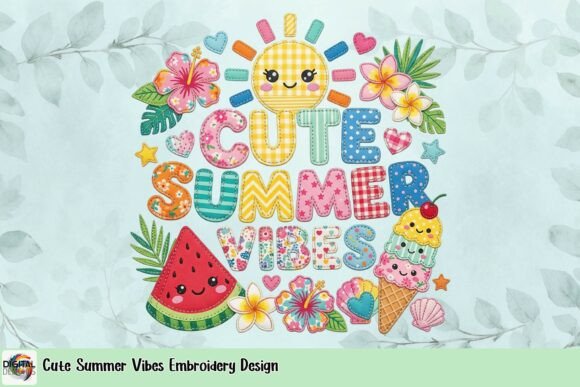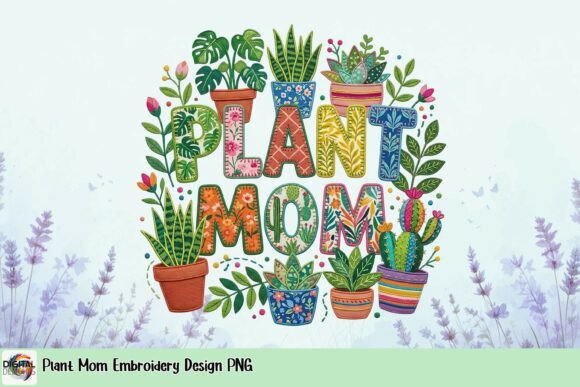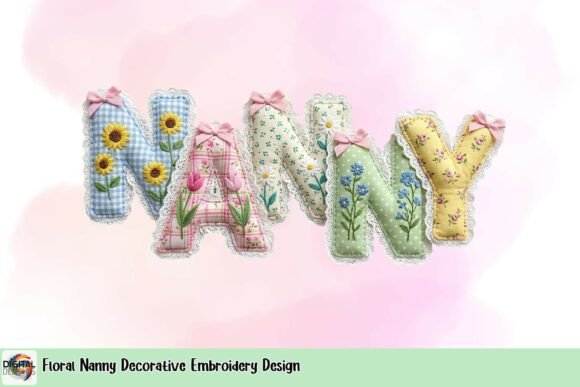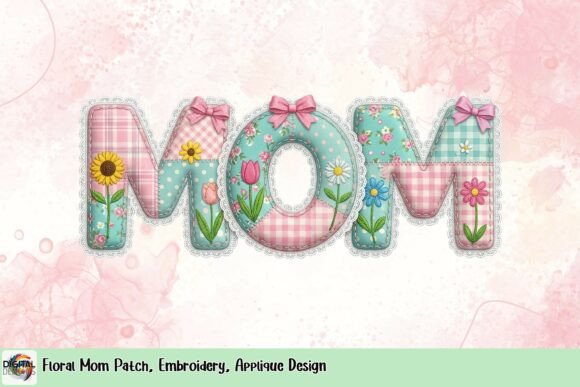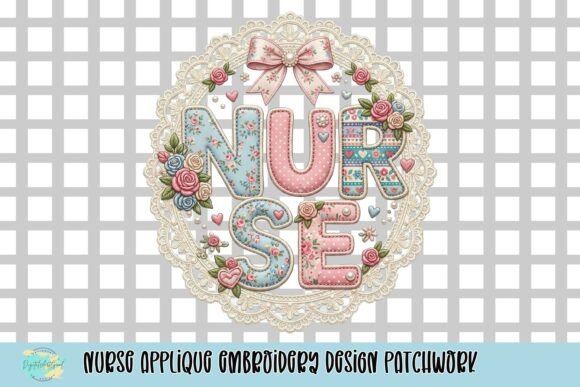
Nurse Applique Embroidery Design Patchwork
First Impression: Charming, Warm, and Instantly Recognizable
As an embroidery designer who’s prepped over 200 craft fair booths—and watched customers pause, smile, and reach for items in under three seconds—I’ll say it plainly: Nurse Applique Embroidery Design Patchwork lands with quiet confidence. It’s not loud or trendy; it’s heartfelt. The “patchwork style” cue tells me right away this isn’t a sleek minimalist graphic—it’s soft-edged, textural, and handmade in spirit. Think farmhouse charm meets modern appreciation: friendly but not childish, detailed but not fussy. That balance is gold at craft fairs, where shoppers scan dozens of tables in under a minute.
Where It Shines: Real Products, Real Booth Impact
This design doesn’t just sit nicely on fabric—it belongs on tactile, giftable handmade products. On a natural canvas tote bag? Perfect. The patchwork letters read clearly from six feet away, and the appliqué style adds dimension that catches light and movement. On a linen apron? Even better—the irregular stitching and layered fabric elements echo the apron’s utilitarian elegance. For tea towel embroidery, it holds up beautifully when stitched with medium-weight stabilizer: the word “NURSE” becomes a warm focal point above a folded towel stack, not lost in kitchen clutter.
As an embroidered patch? A standout. Customers love peeling patches off cards to stick on backpacks or denim jackets—this design’s charm translates instantly to that format. On curved surfaces like caps, I’d recommend keeping it centered above the visor (not on the crown) to preserve letter clarity. And for small shop products like fabric pouches or pillow covers? It scales down gracefully as long as you avoid going smaller than 3.5 inches wide—more on that below.
What Makes It Sell: Clarity, Consistency, and Emotional Resonance
Craft fair buyers don’t read descriptions—they feel things. Nurse Applique Embroidery Design Patchwork taps into genuine appreciation, not irony or trend-chasing. That means repeat appeal: nurses buy it for themselves, families gift it for graduations or retirement, and healthcare-adjacent small businesses (like holistic studios or wellness boutiques) snap it up for staff apparel. As a T-Shirt Designs asset, it works best on lighter-colored, smooth-knit tees—not jersey with heavy texture—where stitch definition stays crisp.
Visually, it strengthens booth cohesion. Pair it with coordinating thread palettes (cream + sage, blush + charcoal, navy + ivory) across your tote bags, patches, and tea towels—and suddenly your display reads as intentional, curated, and premium. No need for signage shouting “NURSE!” The design does that work silently and warmly.
Production Reality Check: What to Test Before You Stitch
Before loading this machine embroidery design into your hoop, run these checks:
- Test on scrap fabric first—especially if using textured towels or thick cotton blends. Appliqué edges can lift or pucker without proper stabilizer.
- Confirm thread contrast: Light lettering on dark fabric may need underlay stitches or a white topping to pop. Don’t assume default thread colors will translate well.
- Review spacing between letters: Patchwork style often includes gaps or faux-seam lines—ensure those don’t vanish at smaller sizes due to stitch density.
- Verify hoop size compatibility: If the full design exceeds 4x4 inches, confirm your machine’s max hoop capacity—or plan to split and reposition.
- Inspect dense stitch areas: Appliqué borders and inner seams can pile up quickly. Over-stitching leads to stiffness and poor drape on soft goods like pouches or pillow covers.
Careful-Use Notes: Protect Your Quality & Customer Trust
This design shines brightest at 4–6 inches wide. Below 3 inches, the “patchwork” details—those little seams and fabric overlaps—start to blur, especially on dark or napped fabrics. Avoid placing it on highly curved cap fronts or tightly woven performance fabrics unless you’ve tested tension and puckering. On textured tea towels, use cutaway + tear-away combo stabilizer—not just tear-away alone. And never skip the mockup: one real embroidered tote bag, photographed in natural light, tells you more than ten digital previews ever could.
For Etsy Sellers & Digital Crafters: Listings That Convert
If you’re listing this as a digital embroidery file, pair it with high-quality printable mockups showing it on multiple products—tote, apron, patch card, and tea towel. Buyers want to imagine it in their shop, not decode vector specs. Mention “commercial embroidery” clearly in your description if licensing allows it—small shop owners need that confirmation before investing. And tag thoughtfully: “nurse gift,” “handmade apron design,” “craft fair embroidery,” “applique patchwork,” not just generic “T-Shirt Designs.”
Final Designer Note: This Is More Than a Graphic—It’s a Connection
In a market flooded with slogans and clipart, Nurse Applique Embroidery Design Patchwork stands out because it feels human-made, not algorithm-generated. Its warmth invites touch, its clarity invites recognition, and its versatility invites repetition—across product types, colorways, and seasons. But none of that matters if execution falters. So: test. Stabilize. Photograph. Repeat. Then watch it become the item customers point to first—and the one they remember after the fair ends.